
Daily Edition • Safe, Ad-Free Learning
Helping Kids Communicate Through Play!
Explore playful learning activities, communication tips, and child-friendly resources that help kids build confidence through talk, play, and everyday discovery.

Turn Everyday Moments Into Learning Time
Through songs, stories, movement, and everyday play, children discover new ways to express their thoughts, build language skills, and connect with the people around them. Dive into our free lessons, teacher and parent approved.


1,200+ Stories
Curated for curious young minds

Zero Ads Guarantee
100% safe, clean reading space

Teacher & Parent Approved
STEM aligned pedagogical standards
FRESH FROM THE FIELD
All News & Discoveries
CDC Language Screening: Key Ages To Monitor
CDC language screening ages, speech milestones, and caregiver steps for knowing when a child may need further developmental evaluation.
Before Kids Enter an Online Chat, Teach Them These Three Safety Skills
Online chat safety for kids begins long before a child receives a message from someone they do not know. It begins with learning how to recognize a comfortable conversation, protect personal information, and ask for help when something feels wrong. Parents can teach these skills through ordinary games and short conversations rather than frightening warnings…
Puerto Rico Bilingual Classrooms Face Pressure
Puerto Rico Bilingual Classrooms face policy pressure. See what families and educators can watch as English-only rules are debated.
Caregiver Grammar Support For Preschool DLD Risk
Caregiver Grammar Support for preschoolers at DLD risk, with trial findings, limits, and daily routines families can discuss.
Wordless Picture Books: How to Help Preschoolers Tell Their Own Stories
A picture book does not need written sentences to create a meaningful conversation. When children look at illustrations and help decide what happens, they can practice describing events, explaining feelings, making predictions, and connecting ideas. Wordless picture books offer preschoolers a chance to become storytellers rather than simply listen to someone else’s words. They can…
Heritage Language Prediction in Children
Heritage Language Prediction can help families understand new fNIRS findings on Spanish-English bilingual children’s listening.
Why Preschoolers Take “Hold Your Horses” Literally—and How to Explain It
When an adult says “hold your horses,” a preschooler might wonder where the horses are. Tell a young child that something is “a piece of cake,” and they may start looking for dessert. These misunderstandings can be a normal part of language development. Young children are still learning that words sometimes communicate meanings beyond their…
TK multilingual screeners: California’s Plan
TK multilingual screeners will help California identify TK children who may benefit from added English language support.
WE ALL LEARN DIFFERENTLY
Our Learning Tools

Black holes, sparkling nebulas, and supersonic
journey expeditions to faraway moons.


Chameleons changing patterns, brave Arctic foxes,
and secret language of dolphins.

experiments, and crazy acoustic physics.


prehistoric flying predators.


squids, and vibrant coral cities.

sound machine inventions.
Video Vault
Kid Friendly Videos
LATEST LESSON TRENDS
Trending Now
Use current research to plan bilingual language activities that support vocabulary, storytelling, home language, and caregiver talk.
Use Bilingual Literacy Activities to support shared reading, vocabulary, phonics, and home-language connections for emerging bilingual learners.
Using a pacifier does not automatically cause a speech delay. Research has found possible connections between frequent pacifier use and certain speech-sound differences, but the evidence is too limited to conclude that pacifiers cause children to talk late. That distinction matters for parents who worry that a comforting habit may be affecting their child’s communication.…
Emergent Bilingual Students benefit from classroom talk strategies that respect home language, quiet periods, and reading growth.
From the archive
More Lessons
Bilingual Speech Milestones in Early Education
Bilingual Speech Milestones can look different across two languages. Learn evidence-based age markers and classroom support steps.
Dual Immersion Programs in Massachusetts Schools
Dual immersion programs in Massachusetts need funding, staffing, curriculum, and family tools grounded in state resources and limits.
Why Your Child’s Voice Is Always Hoarse—and When to Get It Checked
A child who sounds raspy after a cold or an afternoon of enthusiastic shouting usually does not have a serious voice problem. But when hoarseness continues for weeks, keeps returning, or makes speaking uncomfortable, it deserves medical attention. A hoarse voice that has not improved within four weeks should be evaluated by a clinician who…
Structured Conversation for Early Literacy Gains
Use structured conversation during shared reading to support early literacy with practical prompts, limits, and evidence parents can trust.
Oral Language Development in Early Grades
Evidence-based oral language development practices for PreK–3 classrooms, with support for English learners, DLD, and bilingual children.
Mount Vernon Dual Language and Bilingual Growth
Mount Vernon Dual Language expansion shows early Spanish gains, stable English scores, and practical questions for families.
Your Child Talks at Home but Not at Preschool: What Helps?
A child who tells long stories at home but becomes silent at preschool may be experiencing more than ordinary shyness. Sometimes the difference reflects a normal period of adjustment. In other cases, persistent difficulty speaking in particular settings can signal selective mutism, an anxiety disorder that deserves professional attention. The most helpful response is not…
English-only Head Start and Bilingual Children
English-only Head Start proposal could affect DLL preschoolers, home language support, and family-school communication. Evidence and limits.
OUR TEAM MEMBERS
Meet the Teachers & Staff
Celina Vasquez creates content focused on early communication, speech growth, and playful learning routines for young children.
Ethan Miles writes about educational play, child development activities, and creative learning strategies for home and classroom settings.
He develops parent-friendly guides and practical resources for families looking to support communication development.
Natalie Vaughn covers child development topics, classroom readiness, emotional growth, and early learning milestones.
Mia Harper designs playful activity content for Talk and Play, including games, storytelling prompts, and hands-on learning projects.
Jenna Brooks writes about parent-child communication, and supportive strategies for helping children express themselves.
Trending Now
-
3 Best Player Posting Forums for Sports Bettors in 2026cueballchronicles.com

-

-

-

-

-
Cal North Funding Builds Safer Youth SoccerCaliforniaelitesoccerclu

-
Patriots vs. Bears Week 7 Odds: Can Drake Maye Survive Chicago’s Pressure Test on TNF?Statfoxsports

-
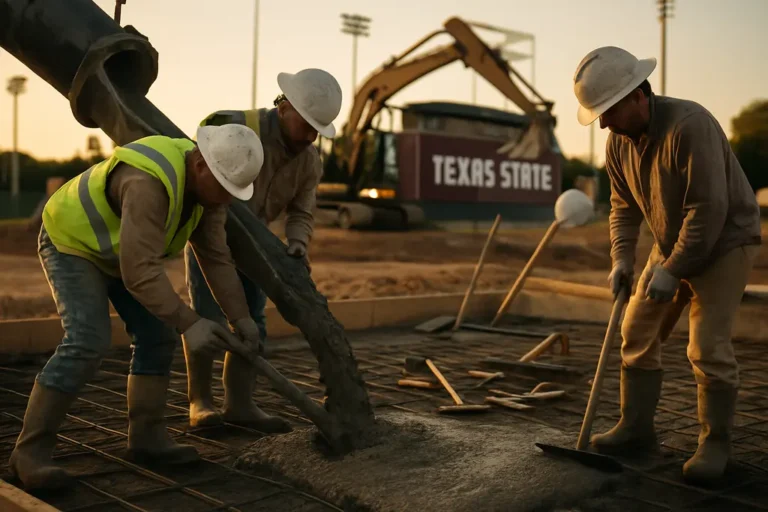
Texas State pitching lab Enters Build WindowTexasbaseballchampions
-
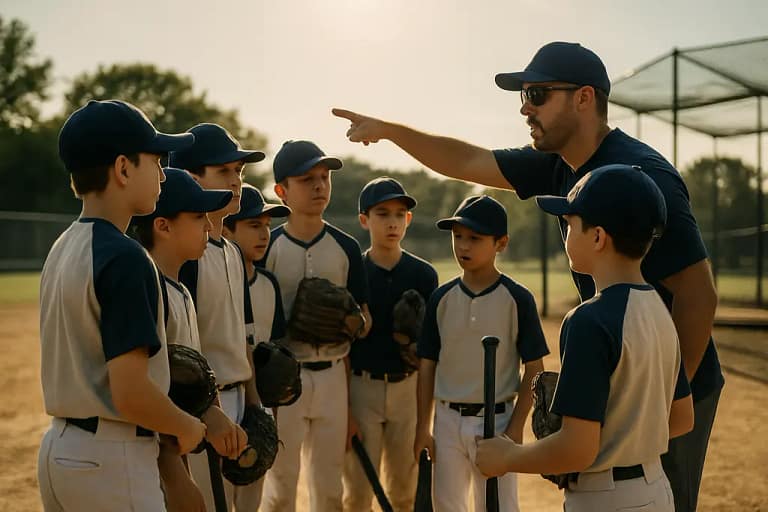
Stars Over Texas Showcase Benefits AthletesTexaselitebaseball
-
New Kennedale YMCA Builds Youth Sports AccessYouthrisetx

-
Texas A&M fall baseball roster clues after RiceTexasmagicbaseball

-
Rangers offseason plans after 80-82 finishTexasbaseballreview